

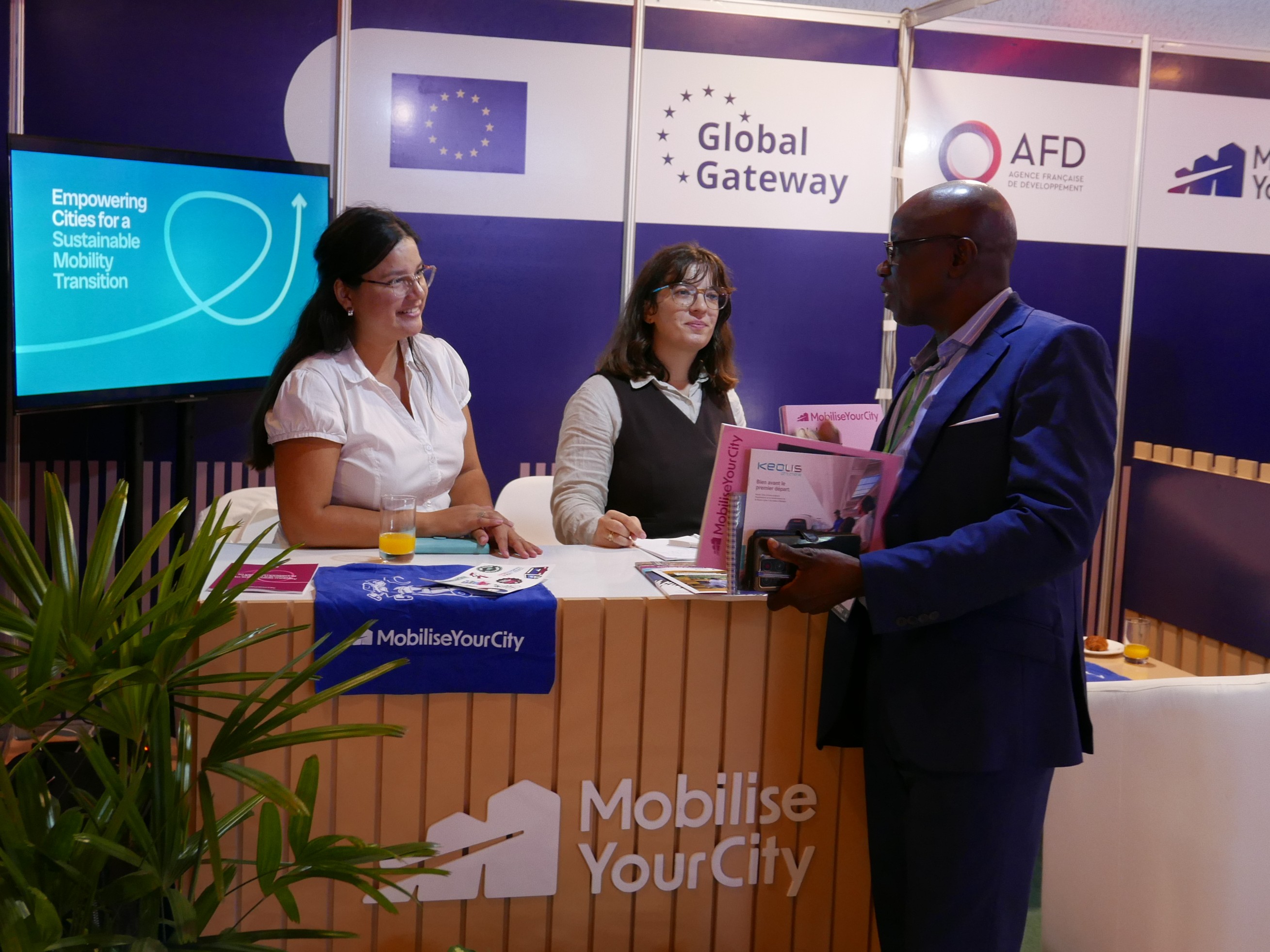
How can African cities develop high-capacity public transport systems that are affordable, accessible and sustainable? This was one of the central questions raised by Côte d’Ivoire's Prime Minister, Robert Beugré Mambé, as he officially opened the 2026 International Conference on Sustainable Mobility and Climate (#CIMDC2026) in Abidjan on 20 October.
His remarks set the tone for the conference's four main themes: integrating mobility and urban planning; governance and financing; climate mitigation and adaptation; and technological and social innovation.
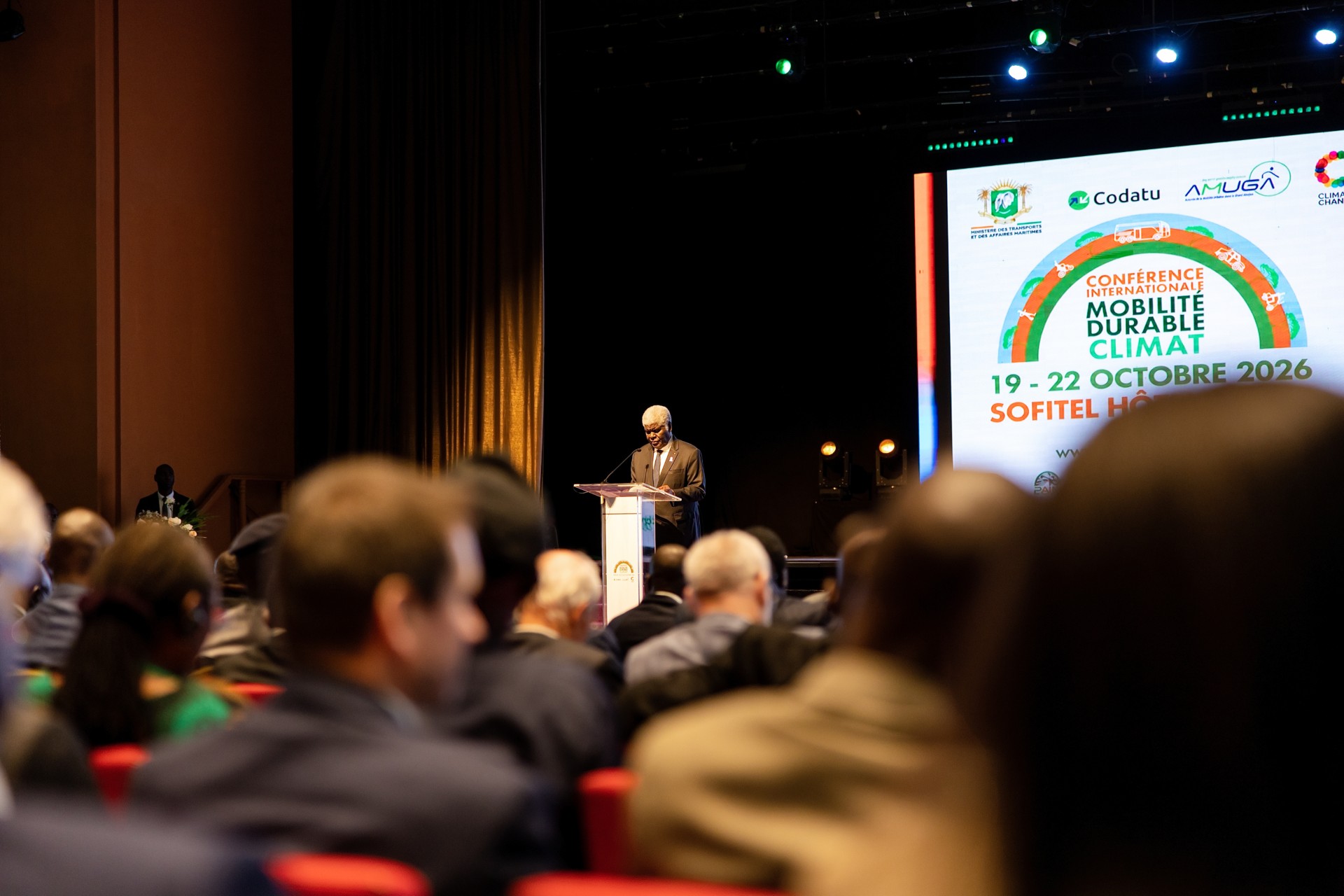
From 19 to 22 October, the conference, organised by CODATU, the Greater Abidjan Urban Mobility Authority (AMUGA) and Climate Chance, brought together more than 1,300 registered participants from 40 countries, including representatives of African cities, national governments, international development organisations, transport authorities and private companies.
For MobiliseYourCity, the conference was an opportunity to reconnect with partner cities, reflect on ten years of sustainable urban mobility planning and explore how cities can turn their plans into investment-ready projects. The Partnership contributed to sessions on Sustainable Urban Mobility Plans (SUMPs), governance and paratransit, and co-organised a Cities Meeting with CODATU, UITP and the Global Network for Popular Transportation (GNPT). The MobiliseYourCity booth also served as a meeting point for city representatives and development partners throughout the event.
Abidjan as a case study: transforming urban mobility at metropolitan scale
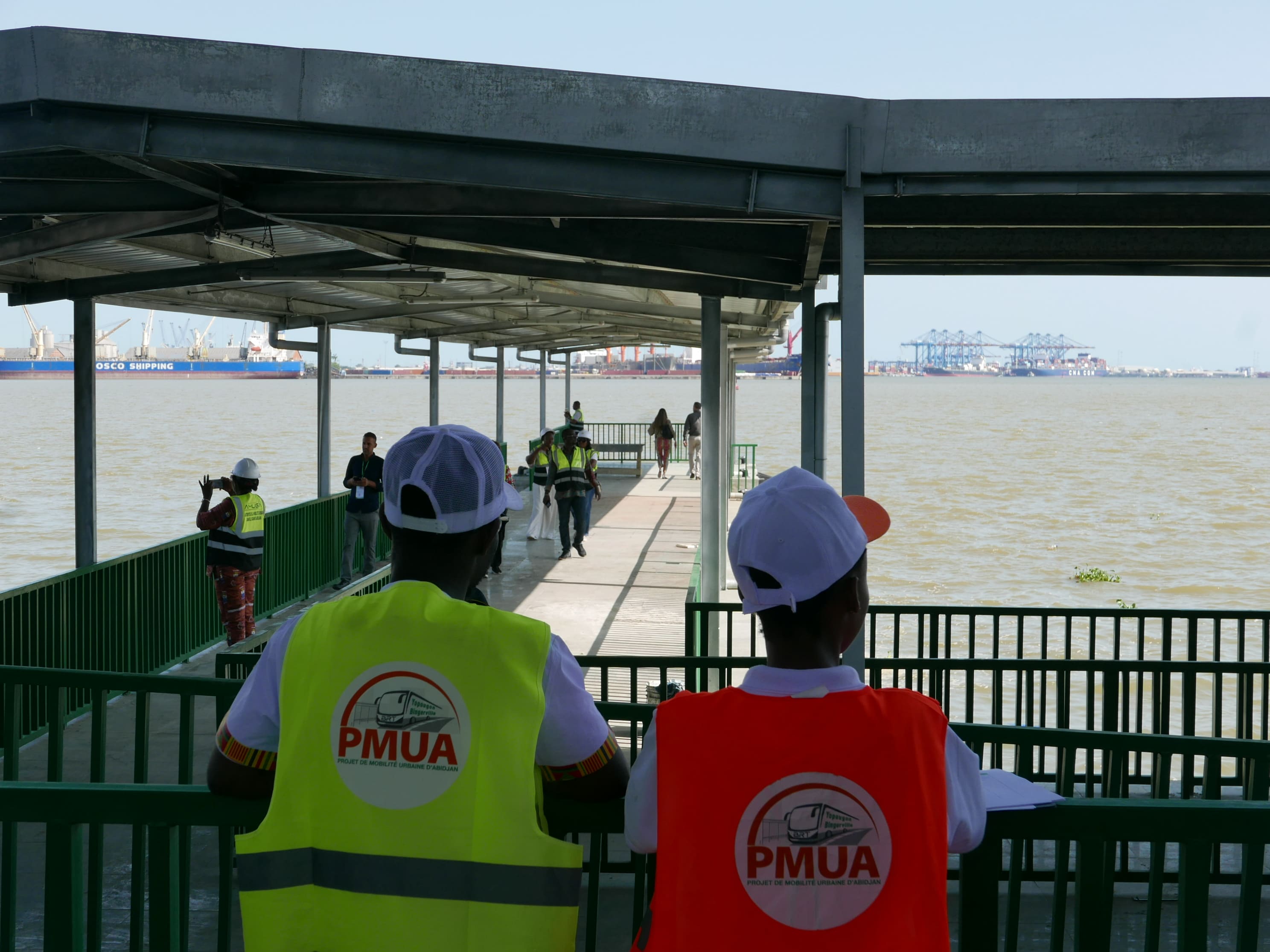
As the host city, Abidjan provided a concrete example of the opportunities and challenges discussed throughout the conference. Côte d’Ivoire is pursuing major investments and institutional reforms to transform mobility in Greater Abidjan, including a metro system, Bus Rapid Transit (BRT) and the integration of lagoon transport services.
During the conference, the Ministry of Transport of Côte d’Ivoire announced €3 million in support for lagoon transport, as part of a Team Europe initiative involving European development and financial institutions. The investment aims to develop waterborne transport as an alternative to road travel and integrate it into Abidjan's wider transport network.
Beyond infrastructure, the conference also highlighted the importance of integrating existing transport operators into metropolitan mobility reforms. AMUGA presented its work on professionalising paratransit services, opening discussions with operators' unions and transport station representatives on how these reforms could be implemented.
Abidjan's experience illustrates a challenge shared by many African cities: coordinating major infrastructure investments with existing transport services, while ensuring that new systems remain accessible, affordable and responsive to people's needs.
Overview of the conference
The conference explored different dimensions of sustainable urban mobility, from planning and governance to financing and technological innovation.
A session reviewing ten years of SUMPs in Africa, with contributions from MobiliseYourCity, brought together experiences from Douala, Lomé and Conakry, and a technical consultancy perspective provided by DVDH. The discussions acknowledged the difficulties of implementation, while recognising the value of integrated mobility plans in helping cities establish long-term priorities, coordinate stakeholders and prepare investments.
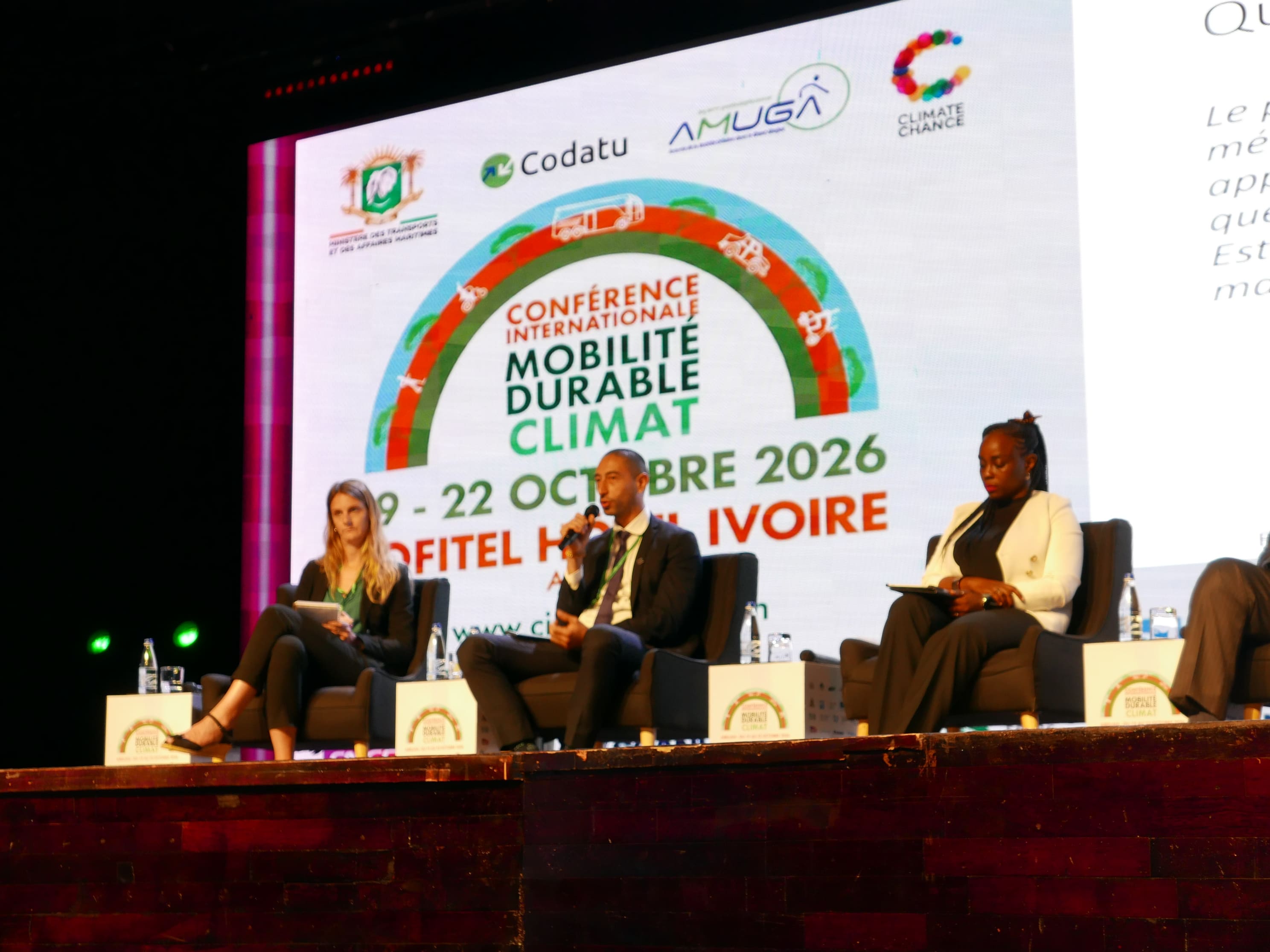
Governance was another recurring topic. During a session on decentralisation, MobiliseYourCity highlighted the importance of empowering local authorities with the responsibilities, resources and institutional capacities needed to manage mobility systems.
Paratransit was a focal point of the CIMDC, with discussions taking place throughout the week. The conference began on Monday 19 October with a dedicated Paratransit Ecosystem Evening, followed by workshops and exchanges on digitalisation, professionalisation, decarbonisation and integration into urban mobility systems. MobiliseYourCity contributed to these discussions by presenting its work on decarbonising paratransit at the Pitch Corner. Together, the exchanges highlighted the importance of working with existing transport operators, rather than replacing them, to develop more sustainable mobility systems.
The CIMDC–EU Business Forum, organised by CODATU and the European Union, brought together around 100 participants, including repre-sentatives of cities, businesses and financial institutions. Discussions covered lagoon transport, intermodality, green technologies, public-private partnerships and BRT. At a time when public development budgets are increasingly constrained, the forum highlighted the growing importance of engaging the private sector to mobilise investment, technical expertise and innovative solutions. The discussions also reflected the EU’s Global Gateway approach, showing how cooperation between public authorities, development partners and European businesses can help turn urban mobility plans into concrete projects.
MobiliseYourCity Cities Meeting
On 22 October, MobiliseYourCity joined CODATU, UITP and the Global Network for Popular Transportation (GNPT) to organise a Cities Meeting, bringing together representatives from cities including Abidjan, Antananarivo, Bouaké, Casablanca, Kumasi, Lomé, Luanda, Maputo, Nairobi, Ouagadougou, Rabat and Tangier.
The meeting opened with three presentations from AFD, CODATU and UITP, setting the stage for discussions on the next steps for SUMP implementation, paratransit reform and the Abidjan Declaration. Participants then reflected on the conference's main takeaways and shared their own experiences and perspectives on these topics.
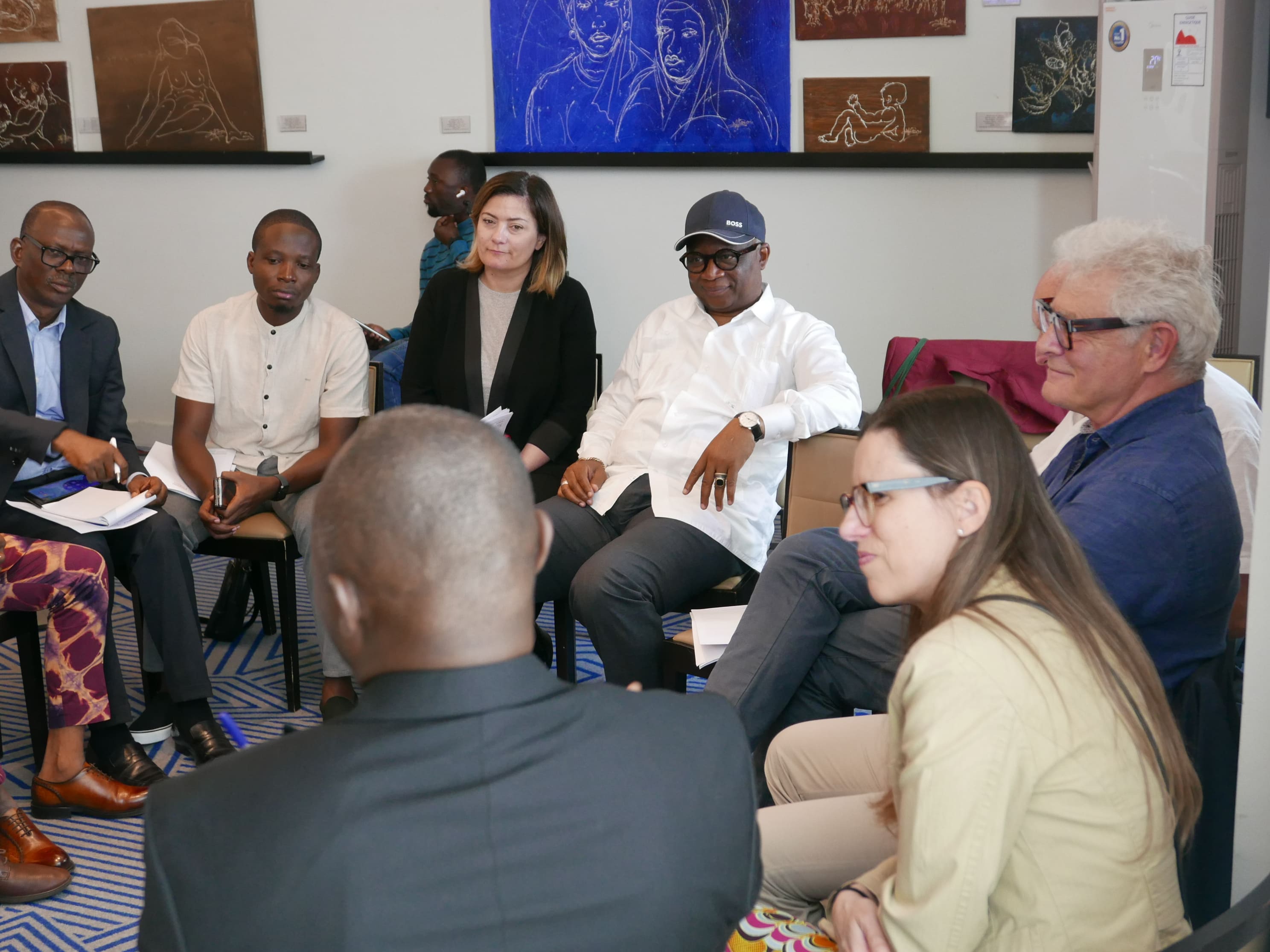
Throughout the conference, the MobiliseYourCity booth also served as a meeting point for MYC city representatives and other African cities interested in the Partnership's work. The exchanges provided insights into cities' experiences with SUMP development, the challenges they face during implementation and the support needed to move forward.
Both experiences reaffirmed the importance of peer learning and continued cooperation among African cities. Facilitating these exchanges is a central part of MobiliseYourCity's role, helping cities learn from one another, identify common challenges and build lasting partnerships that support the transition from sustainable urban mobility planning to implementation.
From exchange to implementation
The discussions in Abidjan showed how firmly sustainable urban mobility has entered the agenda of African cities and national governments. At the same time, they highlighted the challenges that remain in turning policies and plans into concrete, finance-ready projects.
Cities and transport operators shared practical experiences and demonstrated their interest in developing solutions to mobility challenges that are becoming more pressing as urban populations grow. Development agencies reaffirmed their engagement, while private sector participation highlighted the importance of technical expertise, investment and partnerships in delivering projects.
One of the conference's main outcomes was the adoption of the Abidjan Declaration on 21 October. The declaration calls for stronger urban mobility governance, more accessible and low-carbon transport systems, better integration and professionalisation of paratransit, and increased financing for African cities. It also promotes active mobility, climate-resilient infrastructure and closer cooperation between public institutions, operators, businesses and civil society. Its recommendations are intended to contribute to international discussions, including COP31.
As MobiliseYourCity enters its second decade, helping cities move from planning to implementation will remain at the centre of its work. The conference provided an opportunity to position the Partnership within these discussions, identify new avenues for cooperation and better understand the technical and financial support African cities need to implement their SUMPs.