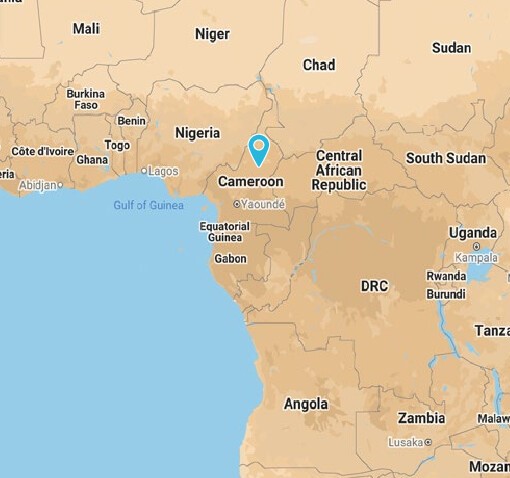
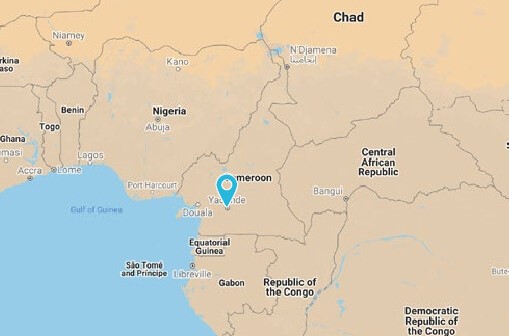
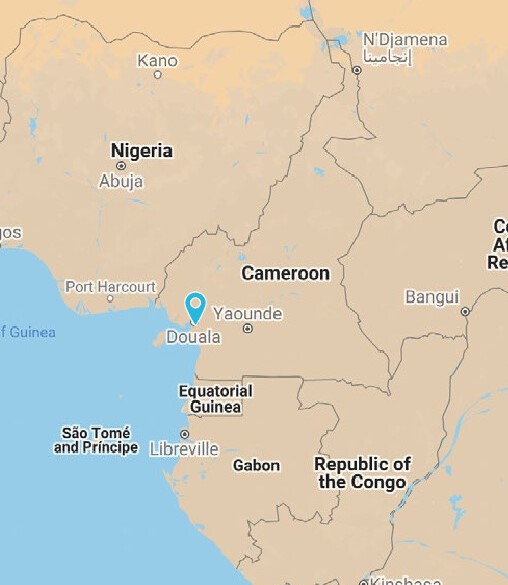
Cameroon has been one of the first beneficiaries of MobiliseYourCity, with one “light” NUMP and two SUMPs in the two main cities (Yaoundé and Doula), both finalised in 2019. As a consequence, a number of projects that were earmarked as priority projects in these planning documents are already reaching implementation phase.
Context and summary of activities
Growing urban mobility needs... hampered by a current inefficient mobility system
Cameroon, 25 million inhabitants, is undergoing a rapid urban population growth. With 55% of its population leaving in cities, it is the most urbanised country in Central Africa. By 2035, about 65% of Cameroonian will live in urban areas. The country is dominated by two major cities: Douala, economical capital and Yaoundé, administrative capital, which are each home of about 3 million inhabitants. Both cities are expected to reach about 6 million inhabitants by 2035. Small and medium Cameroonian cities are also growing rapidly and even at a faster pace than the two major cities.
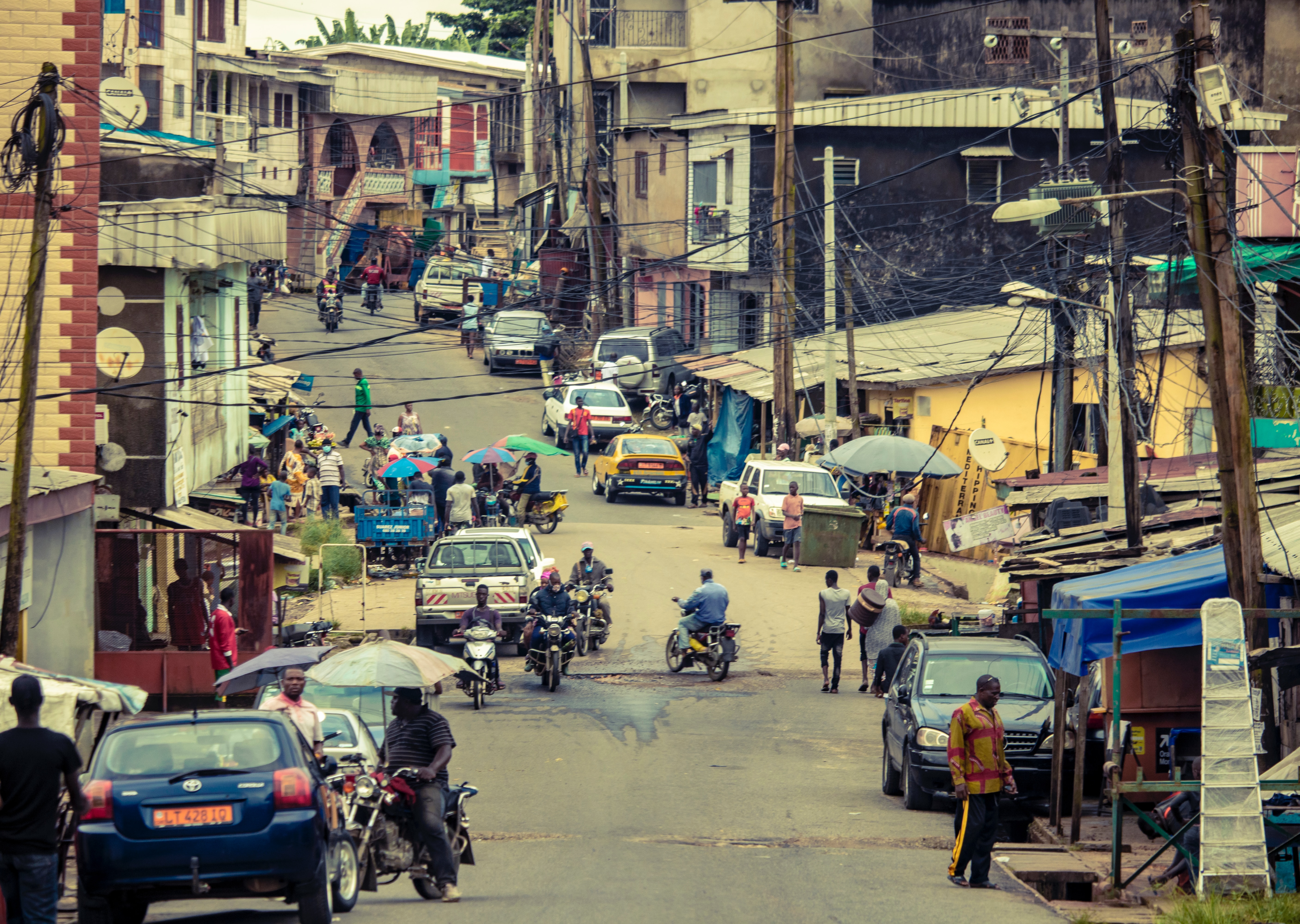
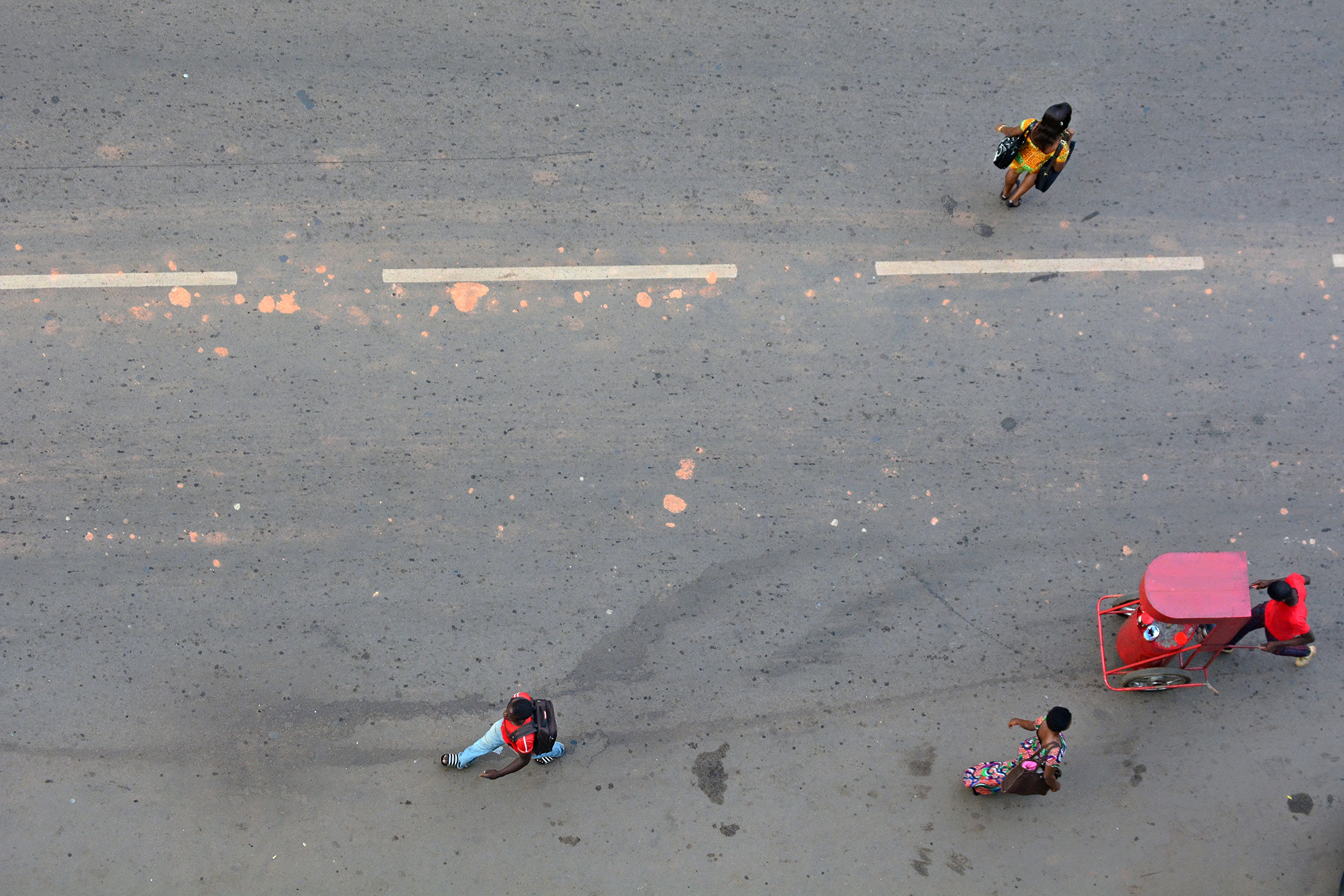
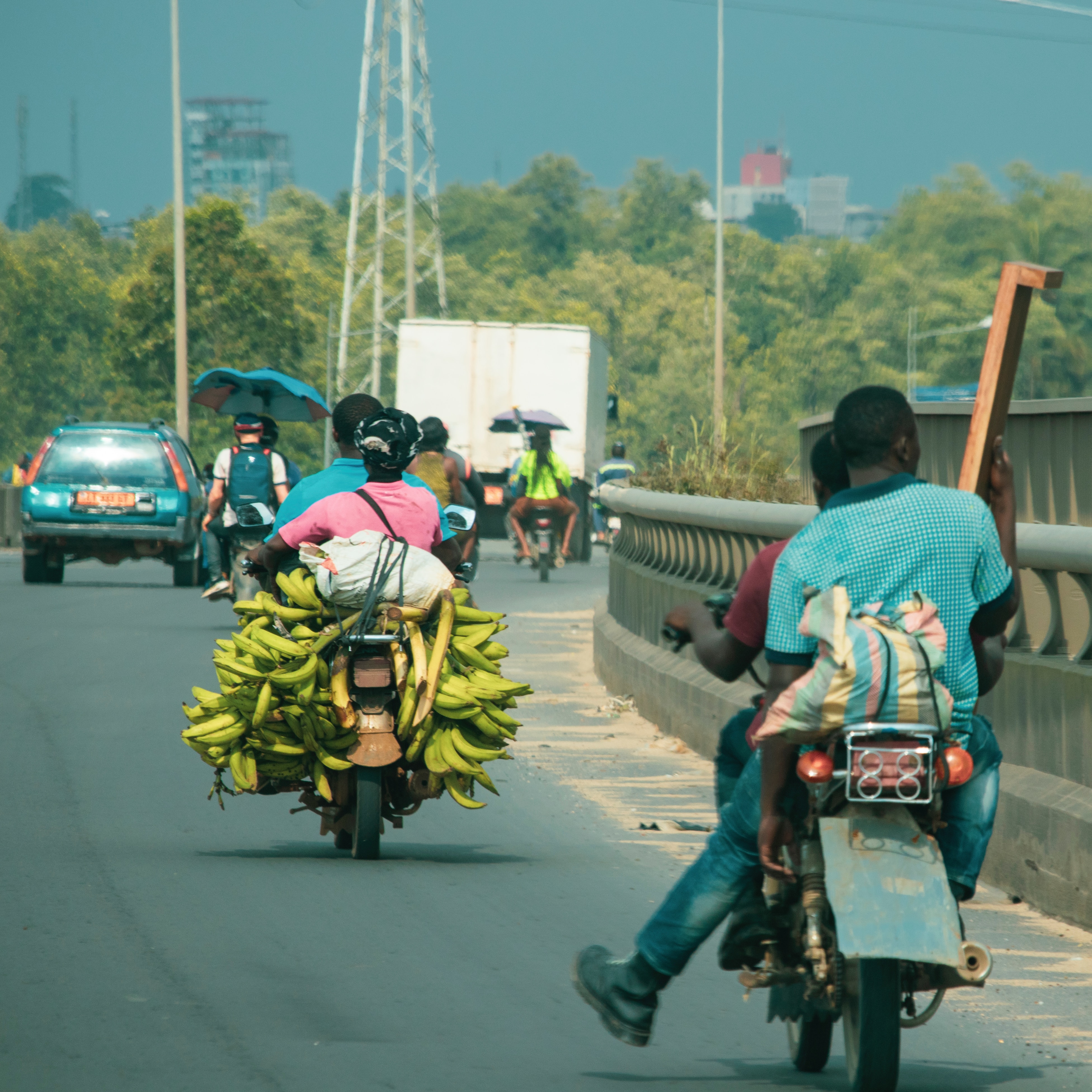
Walking is a major transport mode in Cameroonian cities: at least one third of the trips are made by walk in Douala and Yaoundé, despite the bad conditions and lack of walkways. Informal public transport is also a dominant mode with a predominance of shared taxis in Yaoundé (40% of the trips) and moto-taxis in Douala (40% of the trips). The use of personal cars is rather limited (10% in Yaoundé, 5% in Douala) and the same applies to formal public transport which exist only in Douala.
Many challenges are currently hampering urban mobility in Cameroon, main ones being:
- urban sprawl contributing to increase mobility needs;
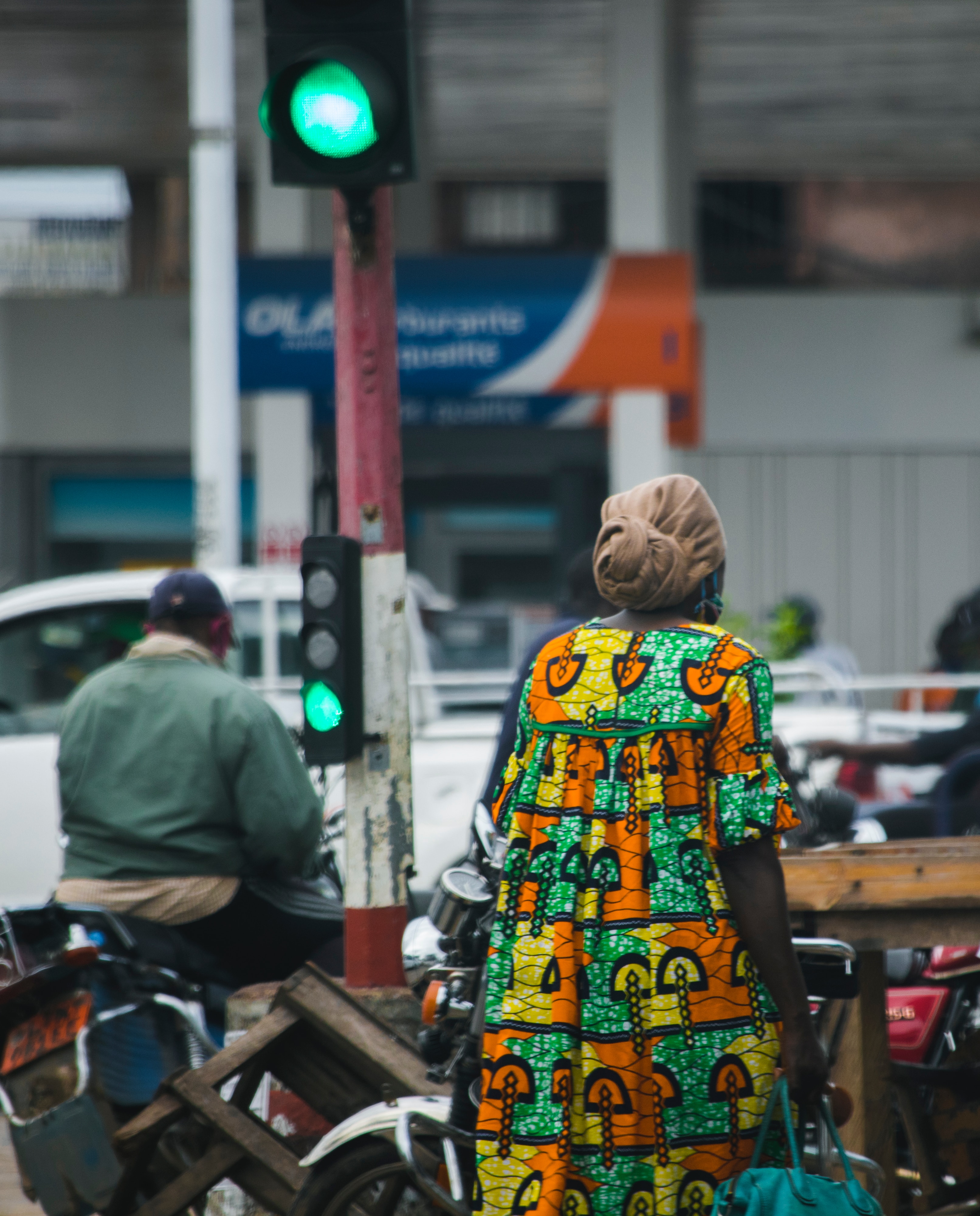
- neglected and unsafe walking conditions;
- poor road safety records with about 30 fatalities per year per 100.000 inhabitants countrywide (compared to about 18 globally);
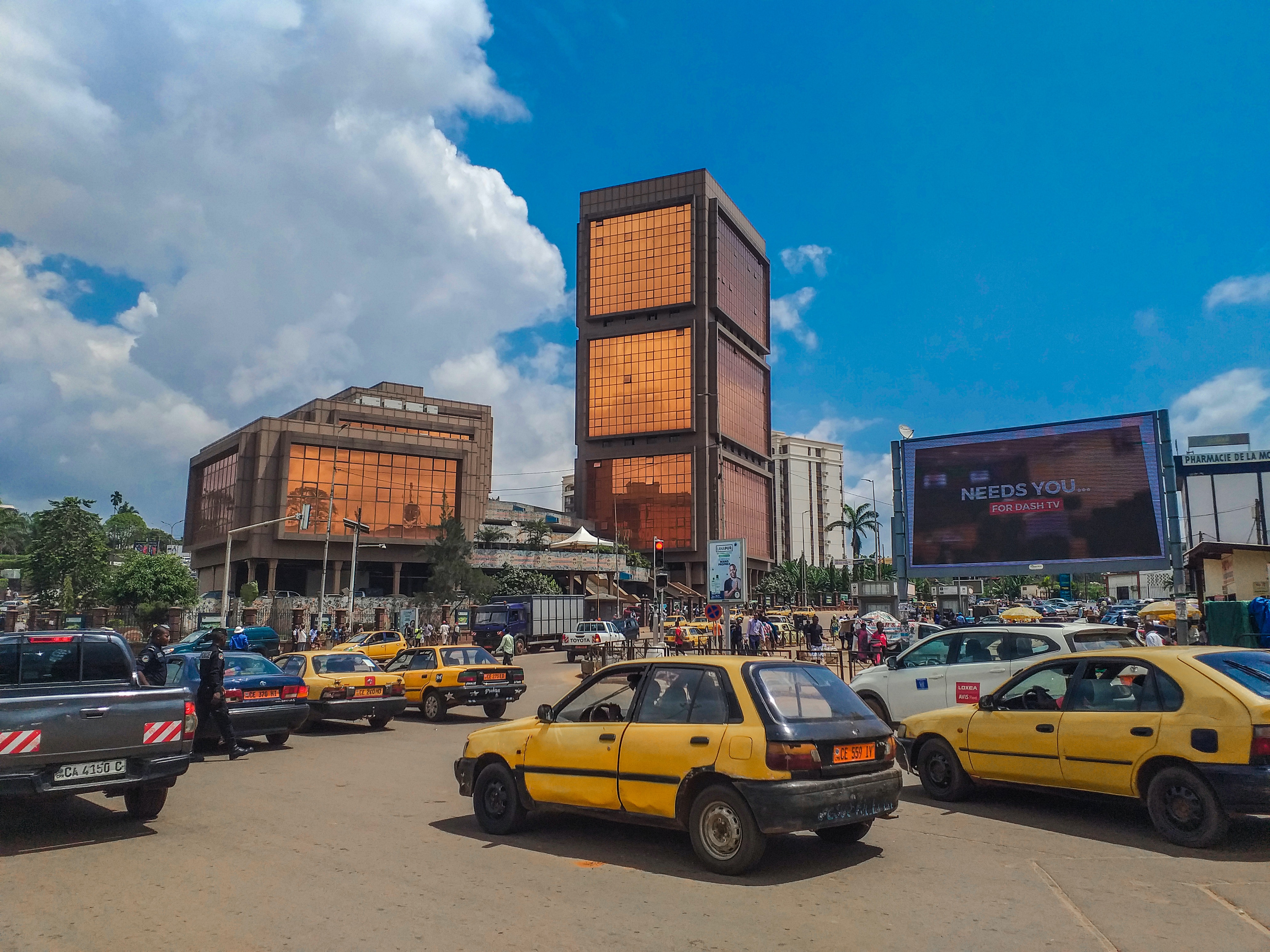
- high traffic congestion despite rather sufficient road network capacity. The congestion is mainly due to unregulated abusive use of roads, inefficient traffic regulation at junctions as well as poor road infrastructures condition;
- inefficient informal public transport which contributes to traffic congestion and are often slow, expensive and unsafe;
- obsolescence of moto-taxis, taxis and minibuses which are sources of air pollution and GHG emissions and lack of an efficient and massive public transport offer;
- lack of decentralization, especially when it comes to funding.