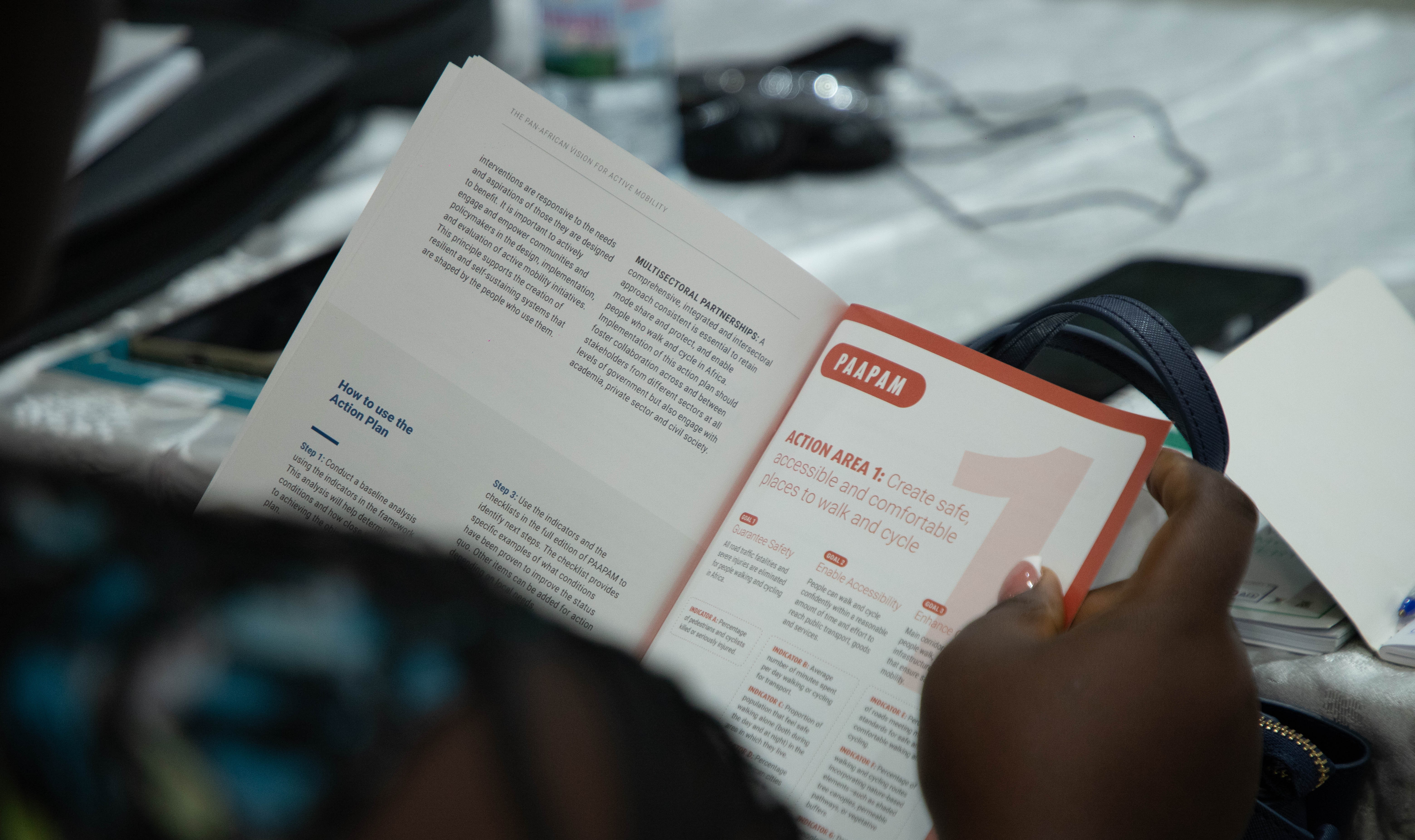
Walking and cycling are critical modes of transport, providing a number of benefits to society. To effectively improve conditions for these modes, planners must understand the current conditions and challenges. In this session, we explore a number of diagnosis tools applicable in cities around the world to help understand current conditions for walking and cycling, and how this information can be applied to planning efforts to improve these modes. We will use several case studies to illustrate how diagnosis can help lead to more effective plans and policies that are more widely supported by local residents and leaders.
Key takeaways of the sessions include:
- Why do we need active transport diagnosis and how do they inform SUMPS? Hear more about it from Jacob Mason
- What are common barriers to diagnosing active modes of transport? Jacob Mason explains how we can overcome them.
- Which diagnosis tools can help to assess the situation of walking and cycling in your city? Learn about common and new approaches
- Model Share Data
- Traffic Count
- Focus Group Discussion
- Pedestrians First
- The Grow Cycling Toolkit
- Road Crash Data
- TOD Data
- Ghani Antasaputra explains how integrating public participation in the diagnosis of cycling improved the development of cycling infrastructure in Jakarta, Indonesia.
- Regatu Solomon from ITDP Africa introduces examples of diagnosing walkways in African cities. Watch her examination here.
Access the complete recording here